Karakia and the Shape of Intentional Leadership
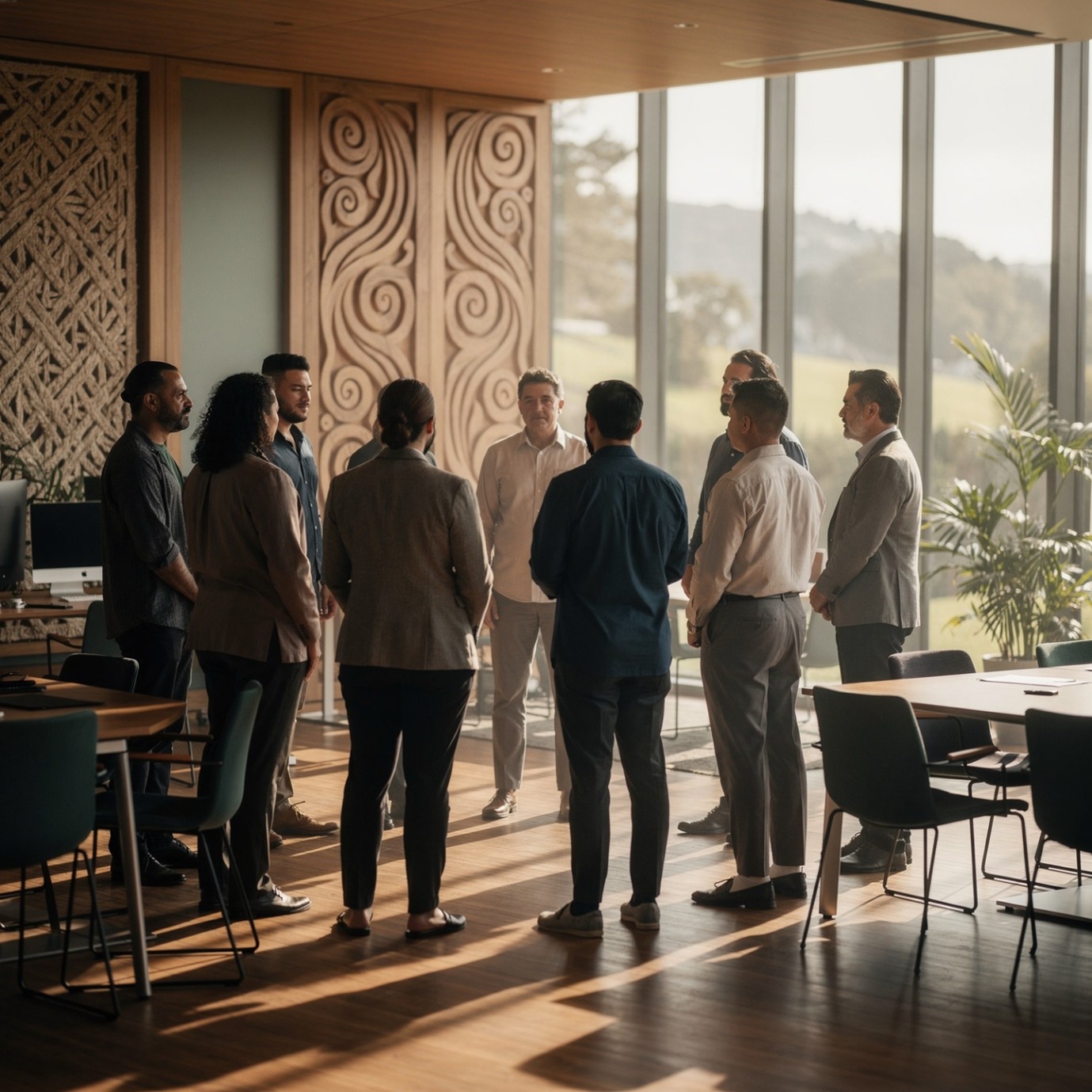
Many people first encounter karakia as a formal opening. A few words before a meeting. A moment of stillness before work begins. But karakia is not just a routine to complete. At its best, it changes the quality of the space we are about to enter. Karakia creates a pause that modern organisations often skip. It invites people to arrive properly. Not just physically, but mentally and relationally. In that sense, it is less about performance and more about presence. It reminds us that how we begin matters. The tone of a room, the intention behind a decision, and the way people are invited in all shape what follows.
This is where karakia is often misunderstood. It should not be treated as decoration or a symbolic gesture added for appearance. Used without care, it becomes hollow. Used with understanding, it can express respect, purpose, and accountability. It can ground a team in something bigger than urgency. It can signal that people, relationships, and the moment itself deserve attention.
For leaders, that matters. Good leadership is not only about strategy and speed. It is also about how space is held. Teams notice when a leader creates room for reflection, dignity, and shared intent. They also notice when cultural practice is used lightly, without depth or responsibility. Karakia asks for more than inclusion in name. It asks for sincerity.
At Wolfgramm Holdings, we see karakia as part of a wider leadership conversation. Not as something to borrow casually, but as something to approach with humility, context, and care. Organisations do not build trust by adopting cultural practices quickly. They build trust by engaging them properly, understanding their place, and allowing them to shape behaviour, not just optics.
Karakia can be quiet, but its value is not small. In a busy world, it reminds us that intention is not a luxury. It is part of wise leadership.
Ready to build more culturally grounded leadership in your organisation? Contact us or explore our workshops.